The S.M.A.R.T. Brand Standard
TM
A decision filter for AI, Google visibility, content, automation, and customer trust.

AI can give you an answer in seconds. You still have to decide whether your business should act on it.
That is becoming one of the harder parts of running a business today.
A tool gives you an answer that sounds certain. Someone on the team creates something with AI and is ready to publish it. An automation promises to save hours. Google changes something. A new platform tells you it can make the work faster.
The question is no longer only “Can we do this?”
It is also: Where did this information come from? Does it make sense for our business and our customer? Who has the experience to approve it? What could go wrong? And could this affect the trust we have worked hard to earn?
That is what The S.M.A.R.T. Brand Standard™ is designed to help you think through.
Source. Meaning. Authority. Risk. Trust.
Five questions that help keep human judgment in the decision, even when technology makes it easier to move faster.
Why SMART Means More Now
Business owners and teams have more information, tools, automation, and AI capabilities available to them than ever before. At the same time, Google Search, Maps, reviews, AI answers, content, and customer expectations can all influence how quickly someone forms an opinion about a business.
That creates pressure to move faster, publish faster, automate more, and try the next tool before there has been much time to ask whether it actually fits.
The S.M.A.R.T. Brand Standard™ gives you a consistent way to slow the decision down just enough to ask the questions that still need a human answer before something reaches a customer, affects your reputation, or becomes part of how the business works.



The S.M.A.R.T. Brand Standard™
S: Source
Where is the information coming from?
Before you trust an AI answer, recommendation, report, review summary, search result, or content draft, you need to know what it is based on.
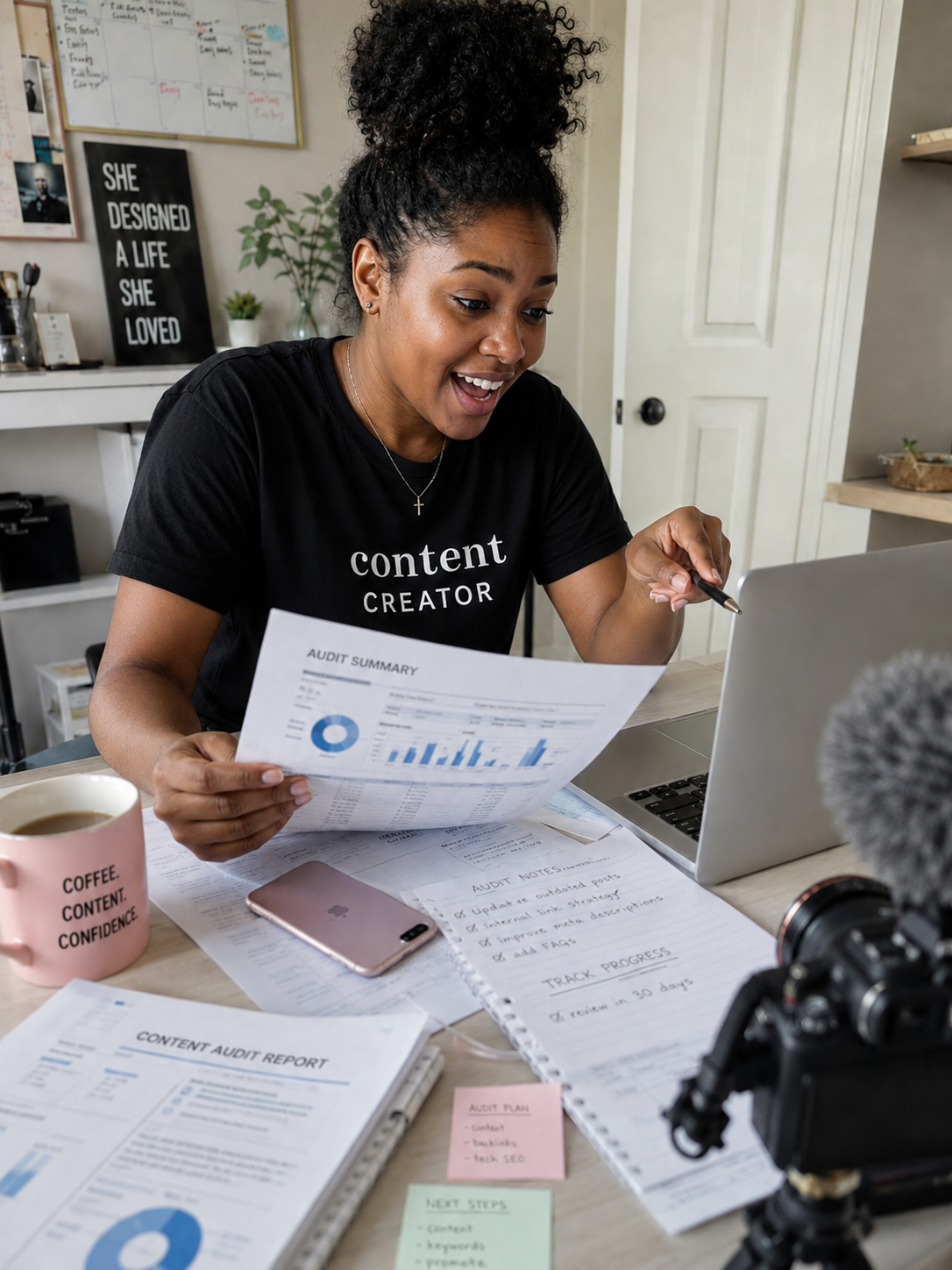
Is the information coming from your website, Google Business Profile, customer reviews, internal documents, business data, your team, or general information found online?
AI can sound confident even when the source is incomplete, outdated, or simply wrong. Knowing where the information started gives you a better chance of knowing how much weight to give it.
Smart brands know where the information starts.
M: meaning
Does it accurately reflect the business, the customer, the offer, and the situation?
Information can be technically correct and still miss the point.
AI can generate words quickly. Search engines can process information quickly. Customers can form an opinion quickly. What still takes judgment is deciding whether the message actually reflects what your business does, who you serve, what the customer needs to understand, and what is important in this particular situation.
Your business does not simply need more content or more information. It needs meaning that is clear enough for people, Google, and AI systems to understand correctly.
Smart brands make the meaning clear.
A: authority
Who has the experience and responsibility to make the final call?
Not every AI output, suggestion, automation, or recommendation belongs in the business simply because a tool produced it.
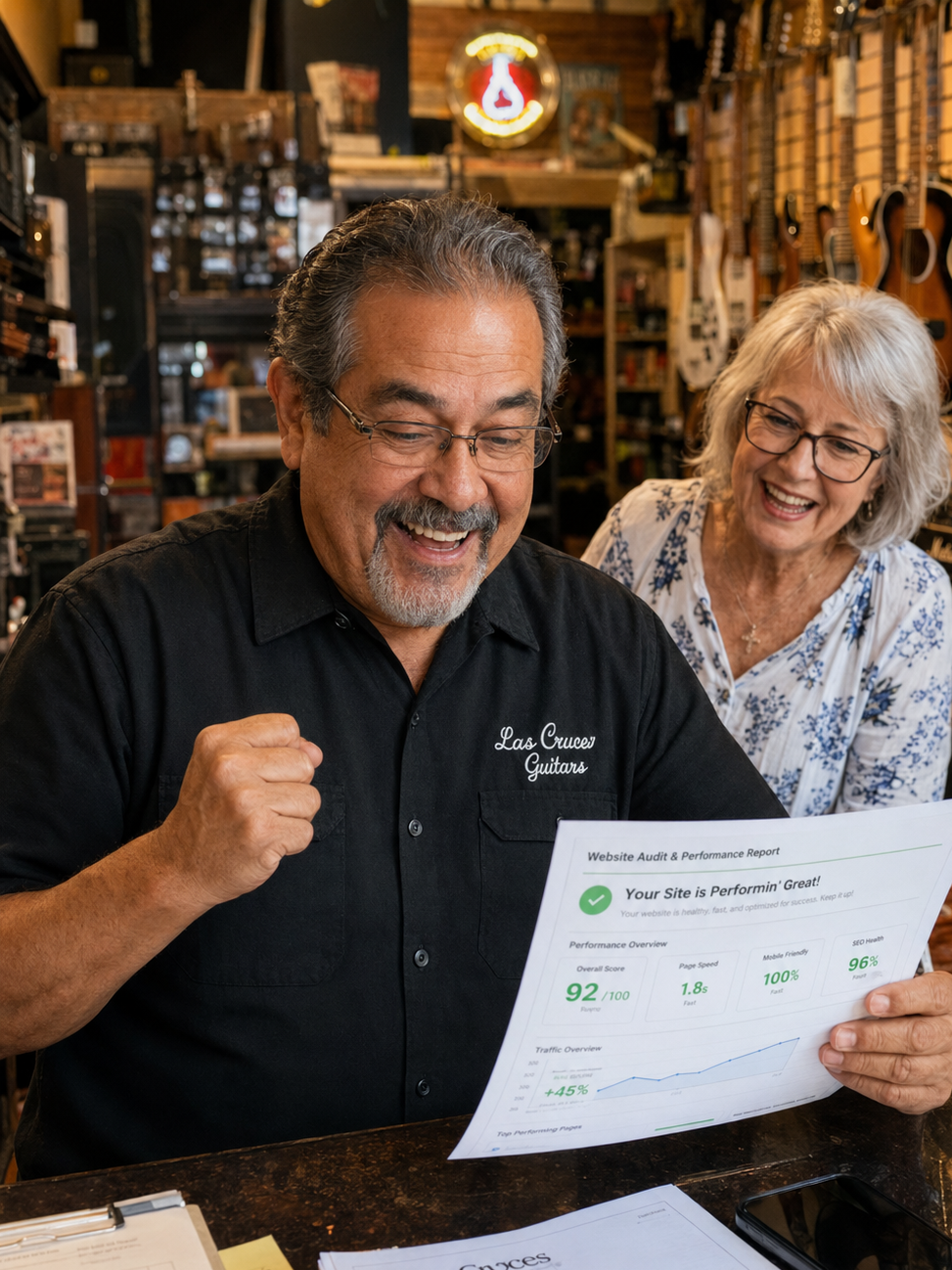
Before content is published, a customer response is sent, an automation is connected, a visibility change is made, or an AI recommendation becomes action, someone still needs the authority to decide whether it is right.
The tool may draft, summarize, organize, research, or suggest. It can help you get informed.
Your experience still decides.
Smart businesses make it clear who reviews, approves, and remains accountable for the final decision.
R: risk
What could happen if this is wrong?
Risk does not mean avoiding AI, automation, Google, or digital tools. It means understanding what deserves another look before you trust it.
A wrong answer can confuse a customer. An inaccurate claim can affect credibility. A poorly reviewed AI response can sound generic or say something the business would never say. An automation can save time while creating a terrible customer experience. A visibility mistake can make it harder for the right customer to find or understand you.
The level of review needs to match what is at stake.
Smart brands look for the risk before the customer experiences it.
T: trust
Does this strengthen the relationship you have worked to build?
Trust is where all of the other questions come together.
Does the content make your business clearer? Does the AI use support the customer experience? Does your Google presence give people confidence? Does the automation genuinely make something easier? Does the message still sound like your business, or could it have come from any company using the same tool?
Saving time is valuable. So is moving faster.
But if the shortcut makes the customer trust you less, it was not a very good shortcut.
Smart brands use technology in ways that protect the human relationship.
Why This Standard Matters Now

Faster does not automatically mean better.
Google and AI increasingly influence how businesses are found, summarized, compared, recommended, trusted, and chosen.
At the same time, AI and automation make it possible to produce more, publish faster, and act on information before anyone has spent much time questioning it.
That can be incredibly useful. It also means an error, weak assumption, generic message, or poor decision can reach the customer faster than it used to.
The S.M.A.R.T. Brand Standard™ gives every strategy, audit, training, workflow, visibility recommendation, and AI decision the same five checkpoints:
Source. Meaning. Authority. Risk. Trust.
The technology may change. Those questions remain useful.
The Standard in Practice

The S.M.A.R.T. Brand Standard™ is not meant to sit on a page and sound good. It is a filter you can use when real decisions are being made.
At Smart Brand System™, it helps guide the way we look at:
Website content and structure
Google Business Profile, Search, and Maps visibility
Reviews and reputation signals
AI-generated content
AI-assisted workflows
Team approval and decision processes
Customer communication
Lead capture and follow-up systems
Marketing automation
Search and AI visibility
Digital trust signals
The situations are different, but the question underneath them is similar: Does this help the business show up clearly, make a better-informed decision, and protect the trust people place in it?
How This Standard Applies to AI
Use AI to get informed. Use your experience to decide.
AI can help you research faster, summarize information, spot patterns, work through possibilities, draft content, organize ideas, and remove repetitive work.
What it cannot do is carry your years of business experience, understand every part of your customer relationship, or take responsibility for the consequences of the decision.
Before AI touches customer communication, business data, content, reputation, visibility, or an important workflow, The S.M.A.R.T. Brand Standard™ gives you a way to ask what still needs to be checked and who still needs to be involved.
That is where useful AI becomes responsible AI use.
HOW THE STANDARD CONNECTS TO SMART BRAND SYSTEM™

This is the thinking behind the work we do at Smart Brand System™.
Whether Maria Elena is looking at Google visibility, leading a training, reviewing an AI workflow, helping a team think through implementation, or developing a larger strategy, the same questions remain in the room.
Where did the information come from? What does it mean here? Who has the authority to decide? What is the risk? What happens to trust?
Google, AI, content, and automation can give a business powerful capabilities. They do not take away the business's responsibility to make the decision.
That is why the goal is bigger than simply using more technology.
It is to show up smart, stand out, and stay sought after while keeping experienced human judgment involved.
START WITH THE QUESTION IN FRONT OF YOU.
Before you publish, automate, optimize, connect another tool, or act on the next AI recommendation, ask:
Is this smart by the standard that actually protects the business?
You do not need to make every decision complicated. You do need a reliable way to recognize when a decision deserves a closer look.
Start with:
Source. Meaning. Authority. Risk. Trust.
put the standard to work
The S.M.A.R.T. Brand Standard™ can help you think through a decision inside your own business, give your team a shared way to evaluate AI and customer-facing work, or help you recognize when the situation needs more guidance.
If you want practical training, implementation coaching, private strategy, organizational AI implementation planning, or a program for your team, start with the question you are trying to solve.